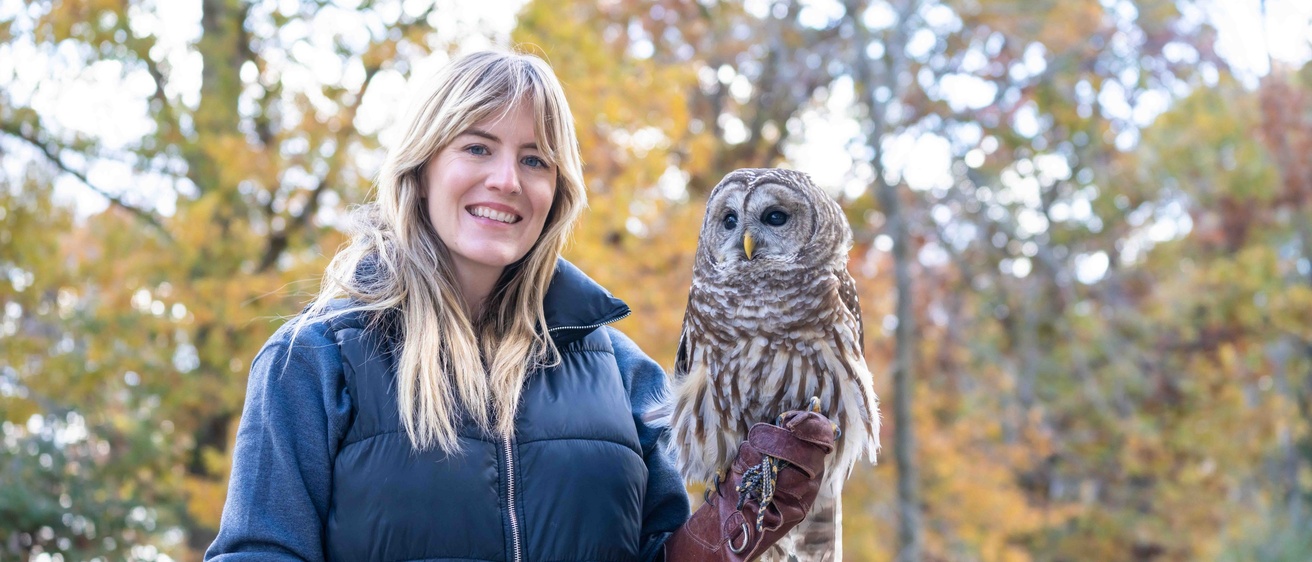
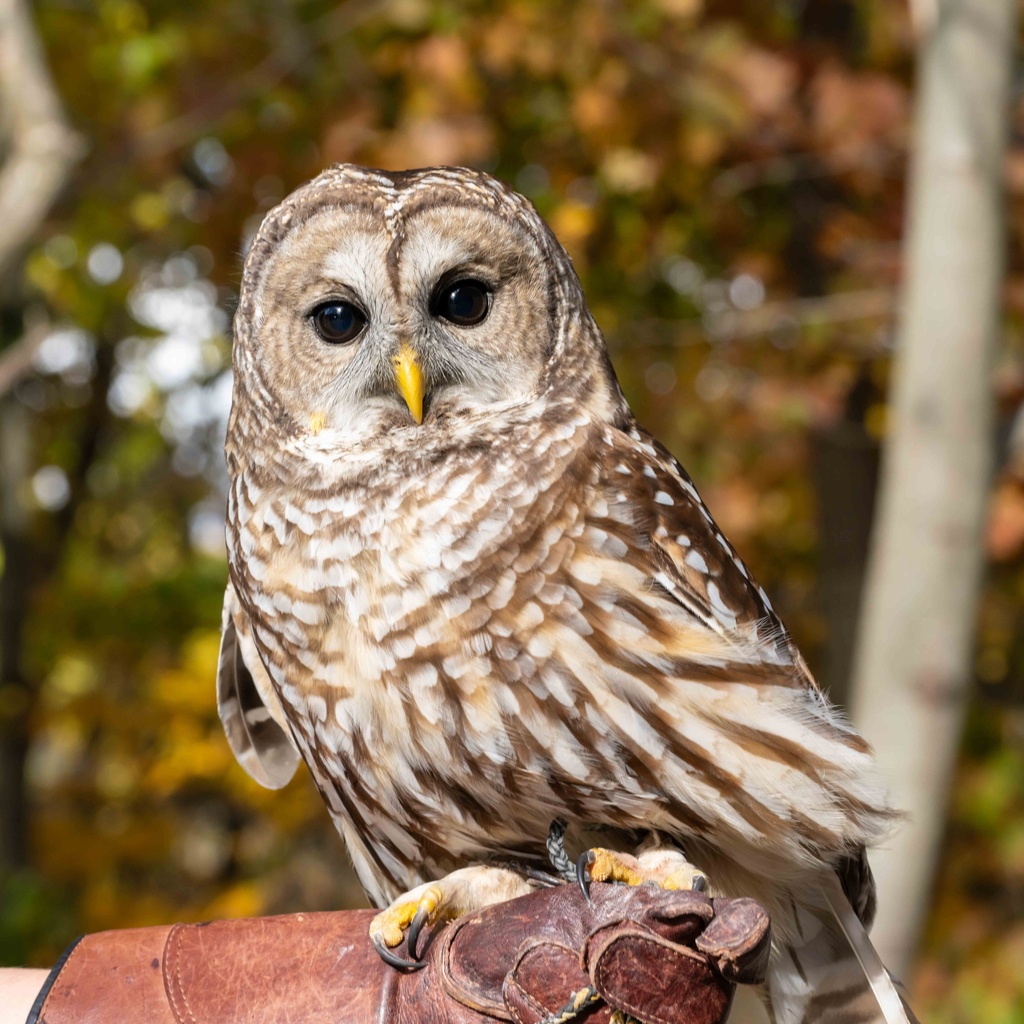
Aldo
Aldo was only a few weeks old when he fell out of his nest after a bad storm. Luckily, he was found by a caring individual but he had broken his right wing and is unable to fly well enough to survive in the wild. Like most Barred Owls, Aldo is very vocal when he wants to be with their classic "Who Cooks For You" call. Aldo loves taking baths, hunting for live minnows, and playing with toys!
Born: 2025
Barred Owls
Facts about Barred Owls
Owls possess exceptional night vision adaptations that allow them to see in the dark. Their eyes have a high concentration of rod cells in the retina, which are specialized photoreceptor cells sensitive to low light levels. Additionally, owls have large pupils that can dilate widely to capture more light, and their eyes are structured in a way that minimizes glare and enhances light sensitivity.
Their unique eye anatomy includes a reflective layer behind the retina called the tapetum lucidum, which amplifies incoming light, giving them the ability to see even in extremely low-light conditions. Together, these adaptations enable owls to navigate and hunt efficiently in the darkness of night.
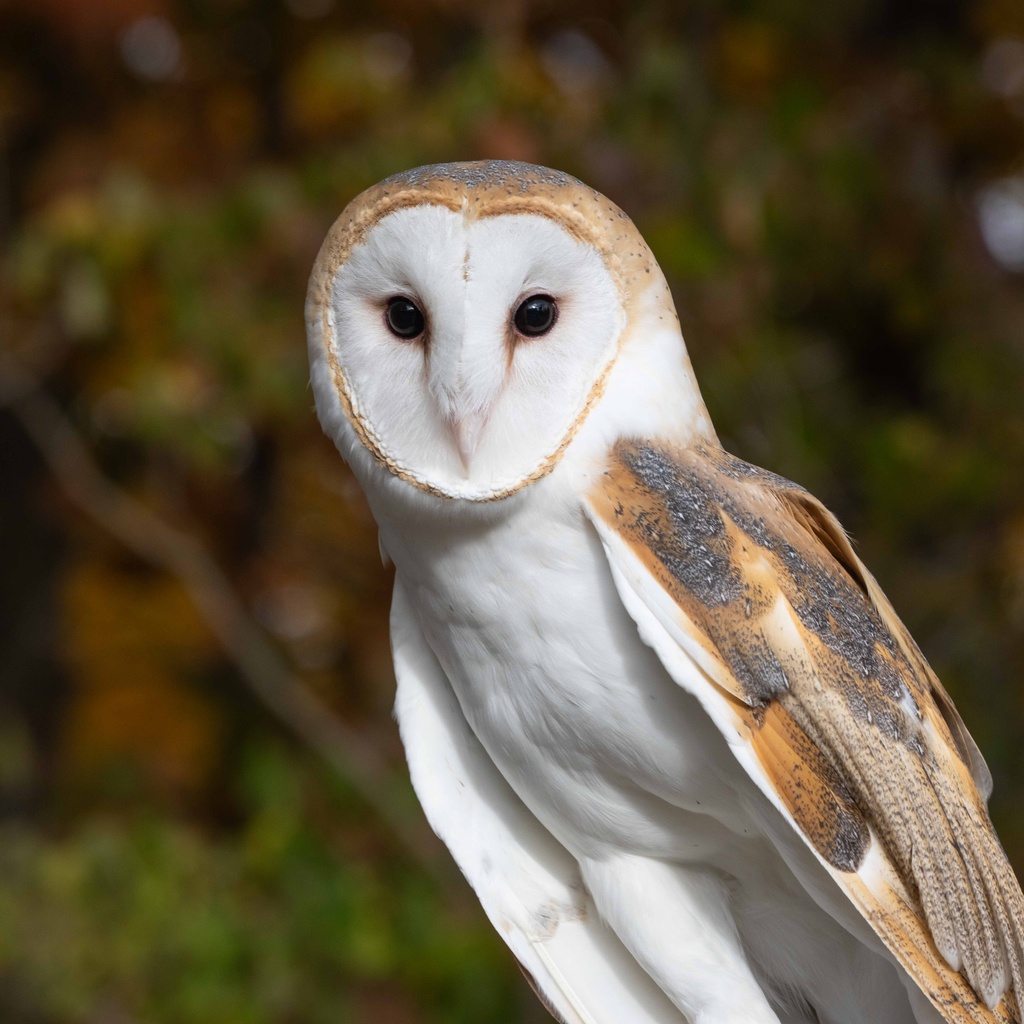
Fenn
Fenn was hatched at the World Bird Sanctuary as part of a reintroduction project that has released over 1,000 Barn Owls into the wild. Barn Owls are threatened/endangered in many Midwestern states, and listed as endangered in Iowa. Fenn was captive raised for conservation education programs and arrived to IRP to serve as an educational ambassador to share the importance of preserving our grassland habitats in which barn owls thrive.
Born: 2019
Facts about Barn Owls
Facts about Barn Owls
The heart-shaped facial disk on barn owls allows for a remarkable sense of hearing, in fact, one of the best senses of hearing of any animal on Earth!
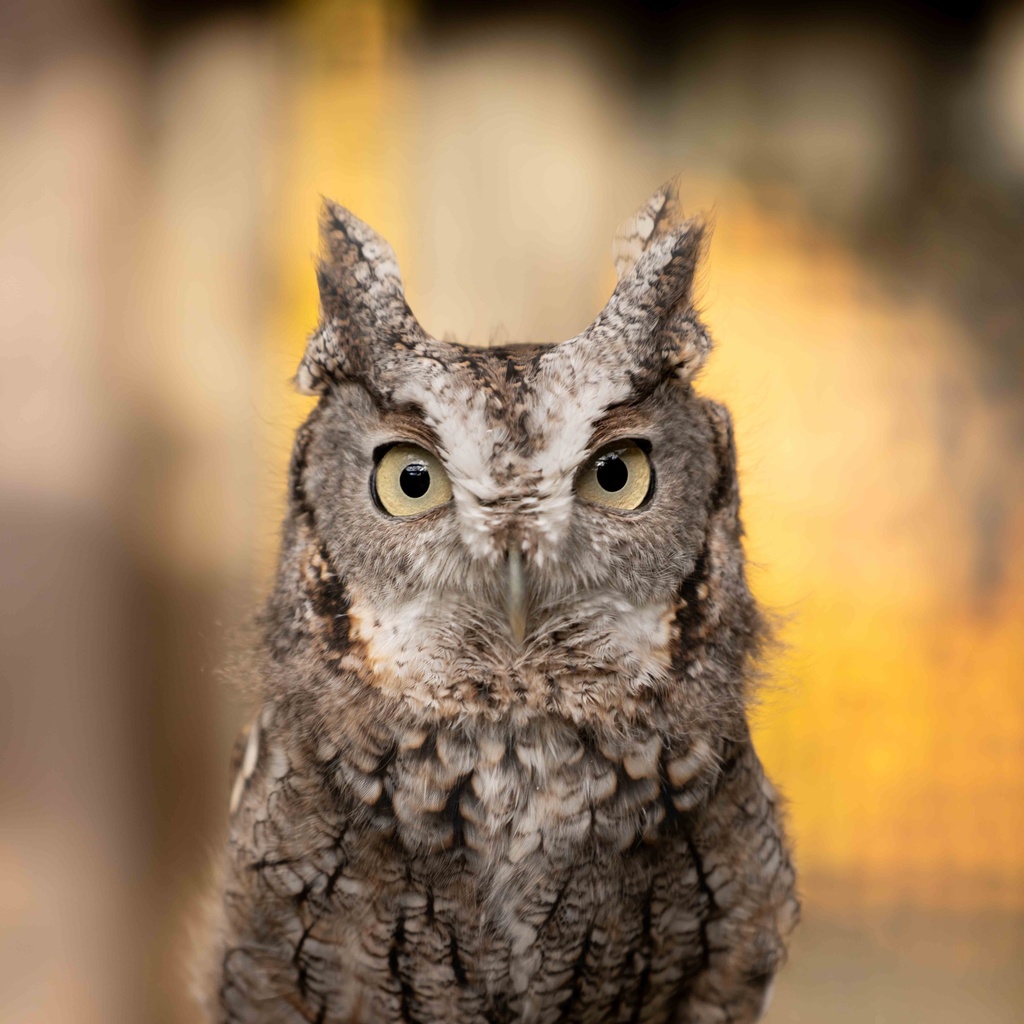
Little Horn
Little Horn was brought to IRP after being found with a radius/ulna fracture of the left wing. Named for his feather tufts that resemble horns, Screech Owls use these specialized feathers to camouflage in their environments. Little Horn is shy in nature and is often seen in his favorite spot perched on branches. His age is unknown because he was found in the wild.
Born: pre-2018
Facts about Screech Owls
Facts about Screech Owls
Screech Owls are masters of camouflage and use their tufted feathers to hide amongst tree branches. If you find small oval pellets of bones, fur, and feathers beneath a tree, look up! They regurgitate these pellets once or twice a day after eating their prey.
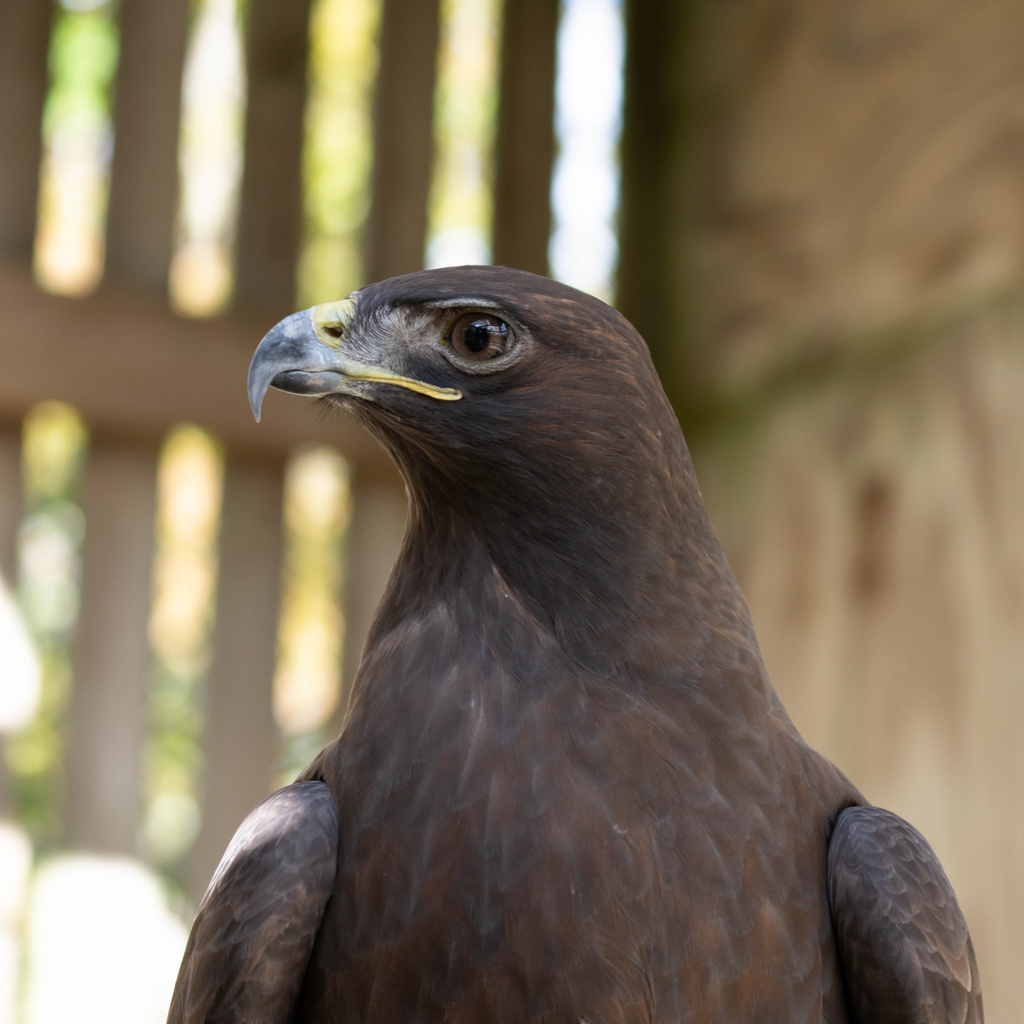
Hercules
Hercules was gifted to IRP from a facility in Nevada that propogates birds of prey for education and falconry. Due to unknown circumstances, Hercules injured her right eye when she was in the nest. In 2022, Hercules became the first raptor to fly at a University of Iowa Football game. She has flown at multiple games and has captured the hearts of Iowa Fans by being an icon for her species.
Born: 2021
Facts about Hawks
Facts about Red-tailed Hawks
Red-tailed Hawks are the most abundant raptor in North America, and are the result of incredible diversity with 16 subspecies across the continent. Hercules is a Western subspecies, which is why she appears much darker in color than the more common Eastern subspecies in Iowa.
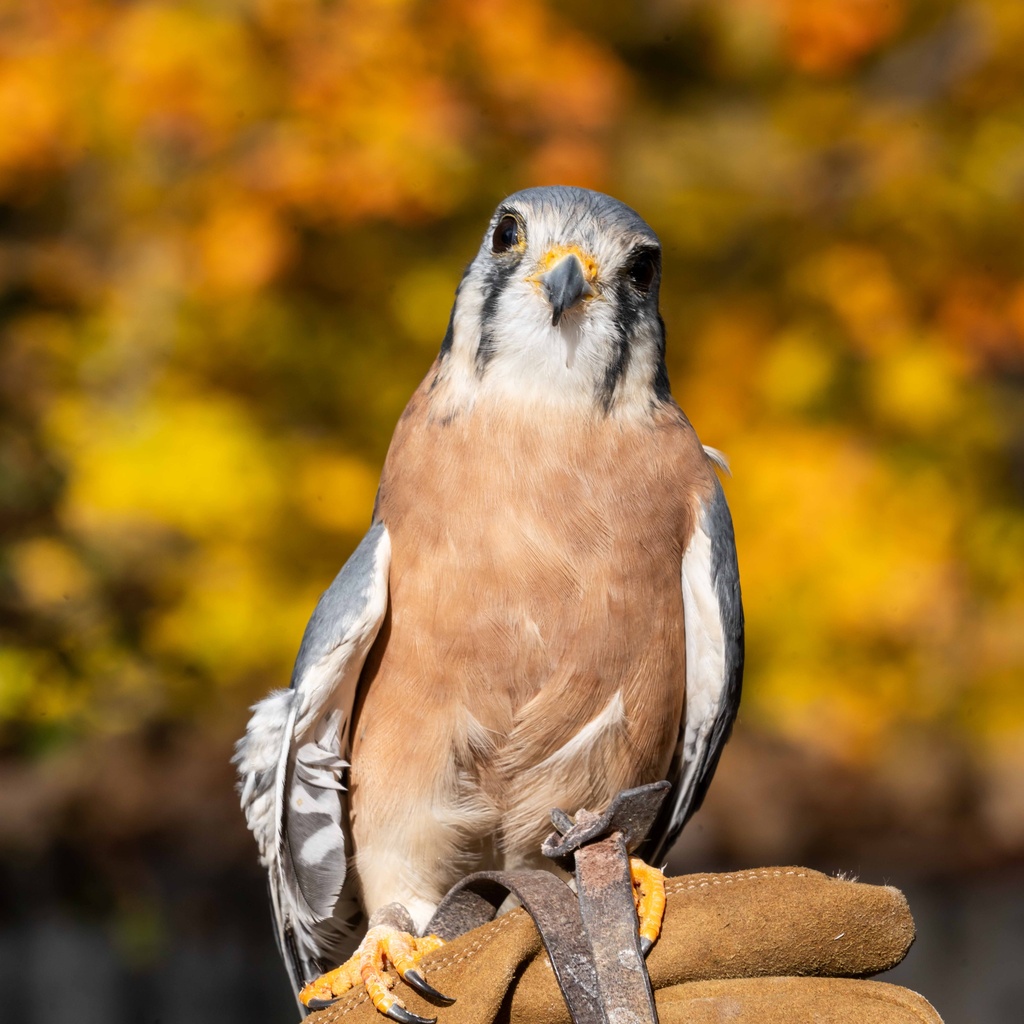
Omaha
Omaha was found near Omaha, NE. He had fractured his right elbow and the wing had already healed, making him unable to fly or survive in the wild. Omaha is a favorite among our guests and volunteers- he is spunky, petite and loves to chatter! Omaha loves to cache his food as well, which means hiding them in secret locations so our volunteers can't find it when it's time to clean.
Born: pre-2017
American Kestrels
Facts about American Kestrels
American Kestrels are North America's smallest falcon! Kestrels are built for speed, but they are often observed hovering in the sky as they await for a rodent to appear out of a prairie or grassland. Kestrels also like to bob their tails, a signature kestrel move!
American Kestrels are cavity nesters, meaning they seek out pre-existing holes or crevices rather than building nests from scratch. They often utilize natural sites such as old woodpecker holes, tree hollows, or rocky crevices. Additionally, they readily accept man-made structures like nest boxes, buildings, and even abandoned vehicles as nesting sites.
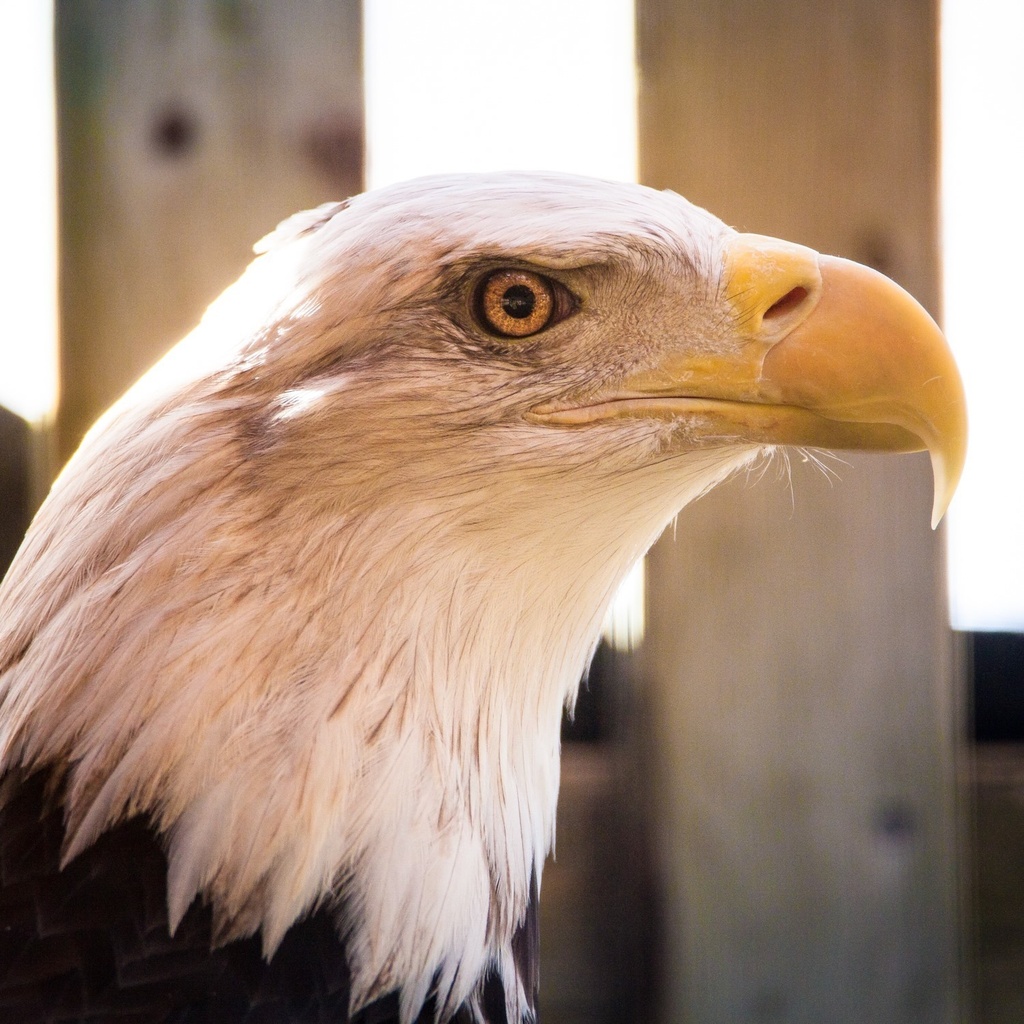
Spirit
Spirit was found as a juvenile after colliding with a power line and breaking her left wing, which required amputation due to the severity. Spirit was one of the first raptor ambassadors at IRP and she has educated thousands of visitors over the past four decades. Spirit arrived at IRP when bald eagles were beginning to slowly recover after nearly becoming extinct from pesticides such as DDT. Spirit loves her view of the lake at MNRA where she watches young bald eagles soar and land near her. She also loves to fish for live minnows in her pool!
Born: 1985
Bald Eagles
Facts about Bald Eagles
Bald Eagles were once on the brink of extinction due to habitat loss and pesticide use, but have made a remarkable recovery in recent decades. In 1963, there were only 417 known nest pairs in the U.S. In a 2019 study by the USFWS stated that there are now 316,700 individuals. Through dedicated conservation efforts and legal protections, their population has rebounded, symbolizing the American spirit of resilience and determination.
Help the Birds
The Iowa Raptor Project depends on generous donors and volunteers to protect and educate about these majestic birds.
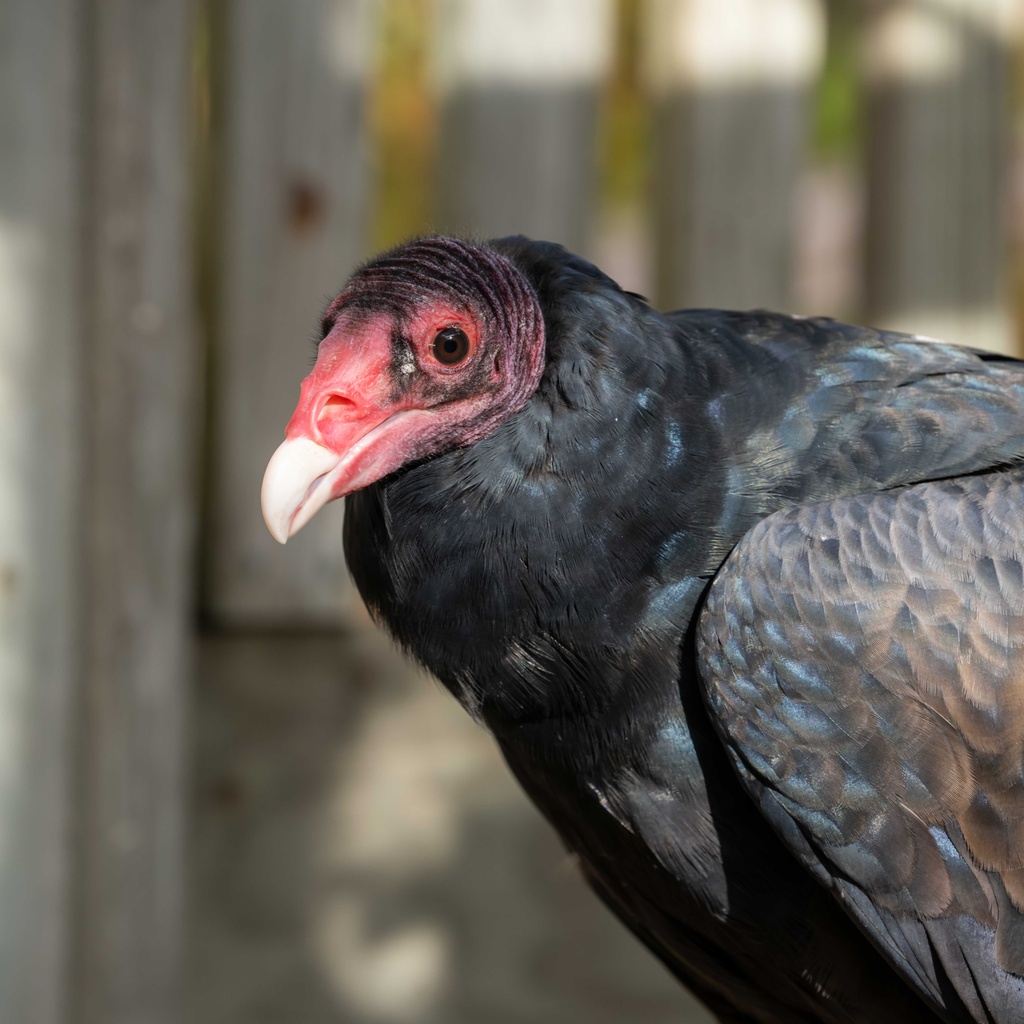
Shiloh
Shiloh was found as a nestling and illegally raised by people in their home. She was eventually brought to a wildlife rehabilitation center emaciated and with damaged feathers. She's a generally sweet lady but because she is human imprinted, she does not fear people and cannot return to the wild. Shiloh loves to watch and interact with people, travel to programs, sun herself, and play tricks on volunteers.
Born: 2018
Facts about Turkey Vultures
Facts about Turkey Vultures
Turkey Vultures feed on carrion, or carcasses of dead animals, and are an essential part of a healthy ecosystem. Without them, carcasses would accumulate, and diseases would spread from rotting flesh. Their stomach acid is extremely acidic, so they can digest almost anything without getting sick. Don't approach them though- they often vomit as a defense mechanism if animals get too close.
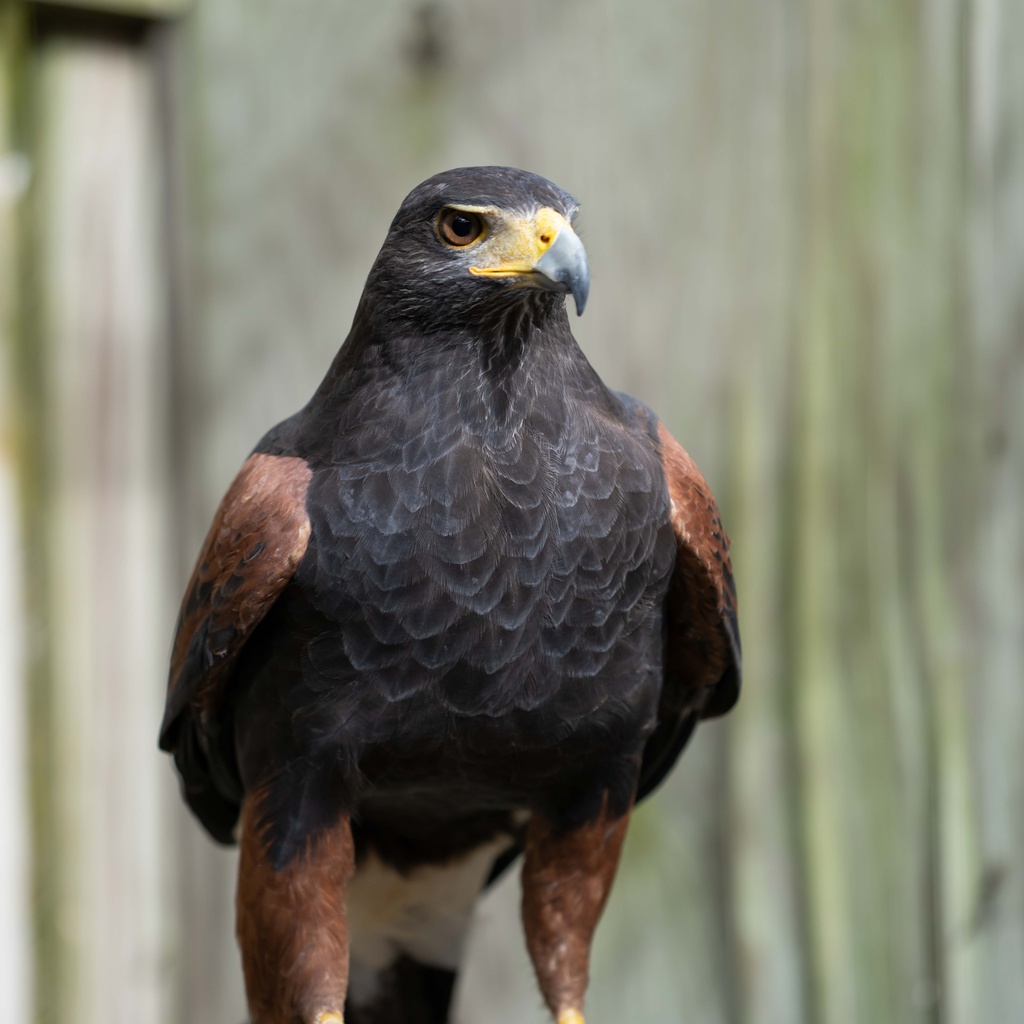
Superior
Superior was hatched at a raptor propagation facility and joined our flock to enhance our raptor flight education programs. Superior is an experienced raptor ambassador and has raised awareness of the need for raptor conservation across Iowa.
Born: 2021
Harris's Hawks
Facts about Harris's Hawks
Harris's hawks are a desert species and not found in Iowa. Their territories include high perches such as cacti and trees. Harris's Hawks will exhibit a behavior called "back stacking," when up to four birds stand on top of each other while perched. The hawk on top gets a better view of hunting, making up for the lack of perches in a desert ecosystem.
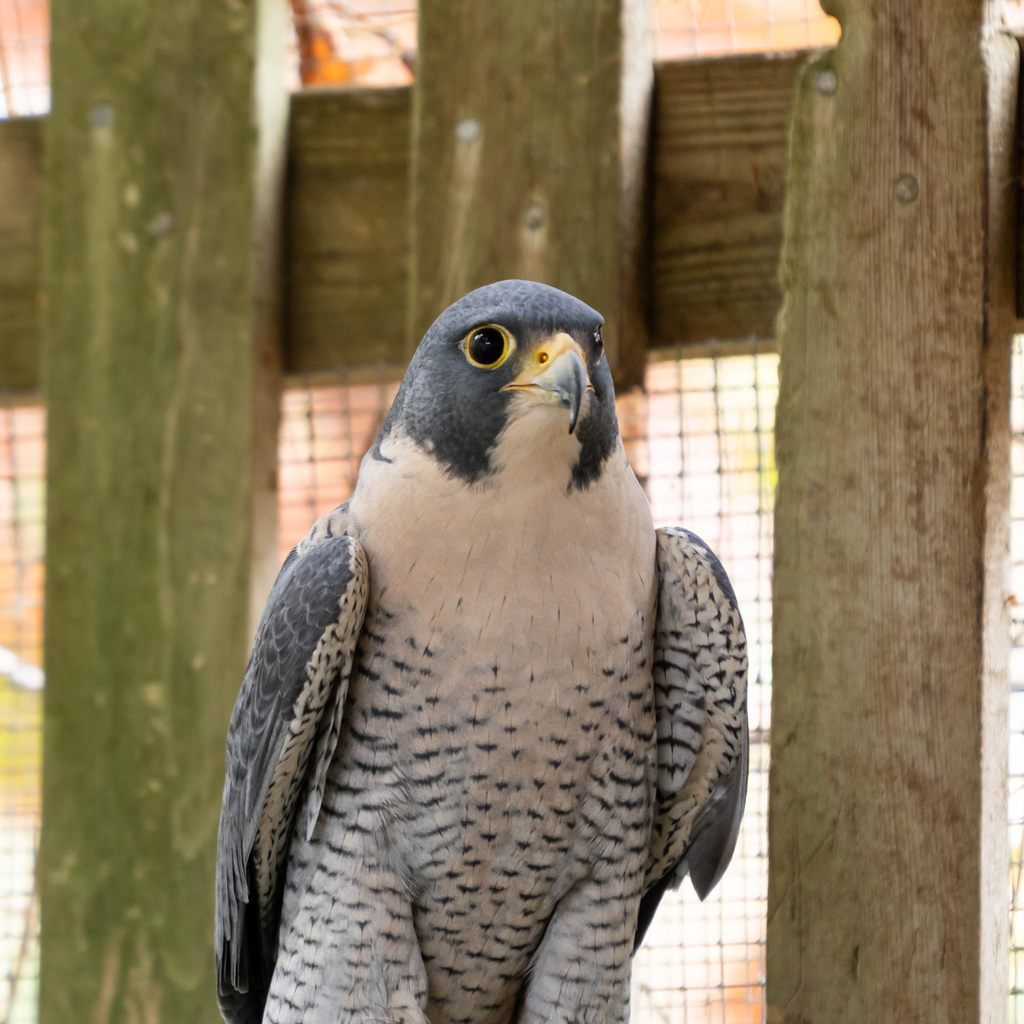
Tigerhawk
Tigerhawk was bred in captivity to serve as an educational ambassador for his species. Peregrine falcons are very territorial and will announce it loudly! Tigerhawk loves to perch high and defend his enclosure with his favorite food: quail. Peregrine falcons can dive at over 200 mph, making them the fastest animal in the world. They have also adapted to living in cities with tall buildings.
Born: 2021
Peregrine Falcons
Facts about Peregrine Falcons
The Peregrine Falcon is without doubt the fastest animal on earth clocking in at well over 200 mph in a dive! These birds are equipped with special adaptations that allow for them to be fiercely fast.
When falcons are diving at high speeds, a small boney cone inside of their nostrils, called a tubercle, curves the air and changes the air pressure so that it doesn’t rush directly into the lungs and cause damage. This allows falcons to breathe easily and safely as they dive for prey!
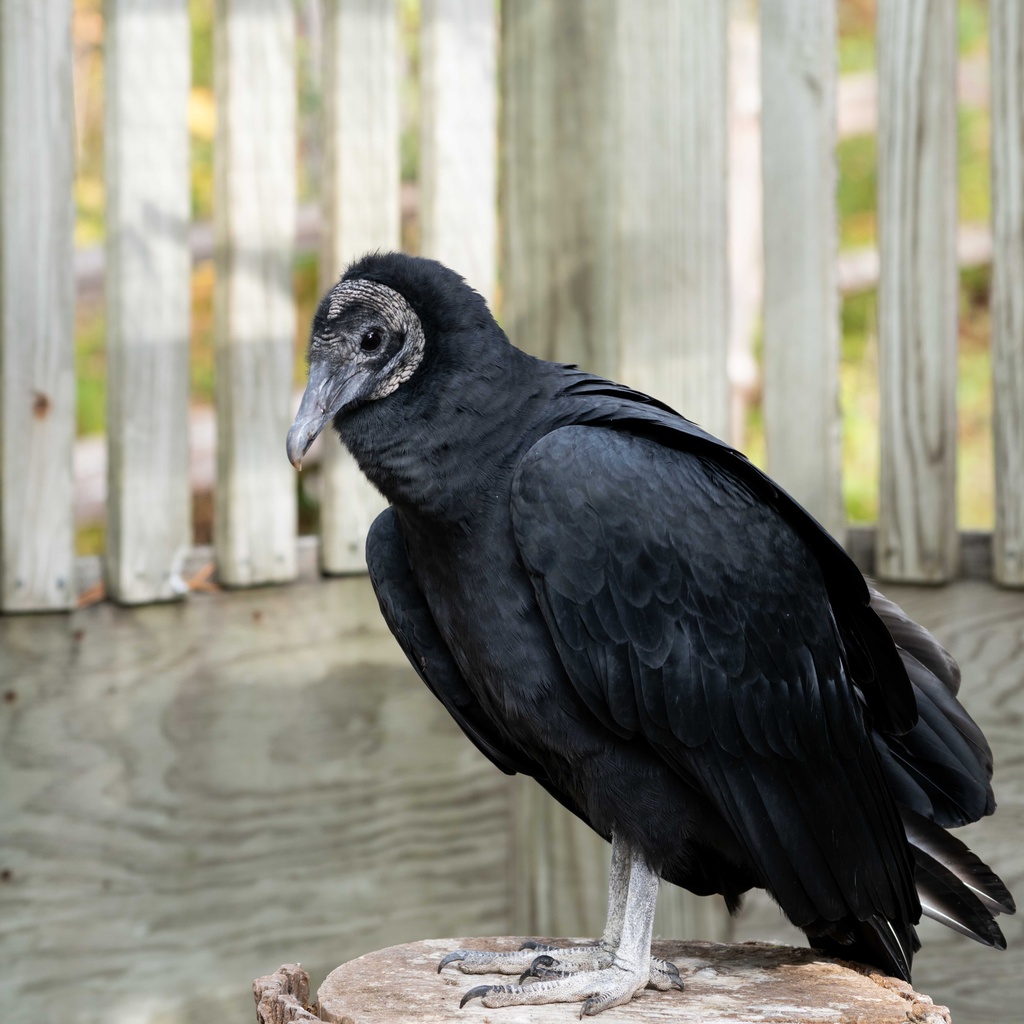
Vlad
Vlad was found in Lithonia, Georgia on the ground and unable to fly. Unfortunately, Vlad had fractured his right humerus and could not be released into the wild. Vlad arrived at IRP in 2025 with his best friend, Shiloh. Black vultures are incredibly smart, playful, and adaptive. Vlad's favorite things are the sun, taking baths, zooming around, chicken wings, and picking at volunteers shoelaces.
Born: 2016
Facts about Black Vultures
Facts about Black Vultures
Black vultures are intelligent and adaptive, but have unfairly gotten a reputation of being a nuisance due to their brave and opportunistic behaviors. Black Vultures also make a "woof" sound!
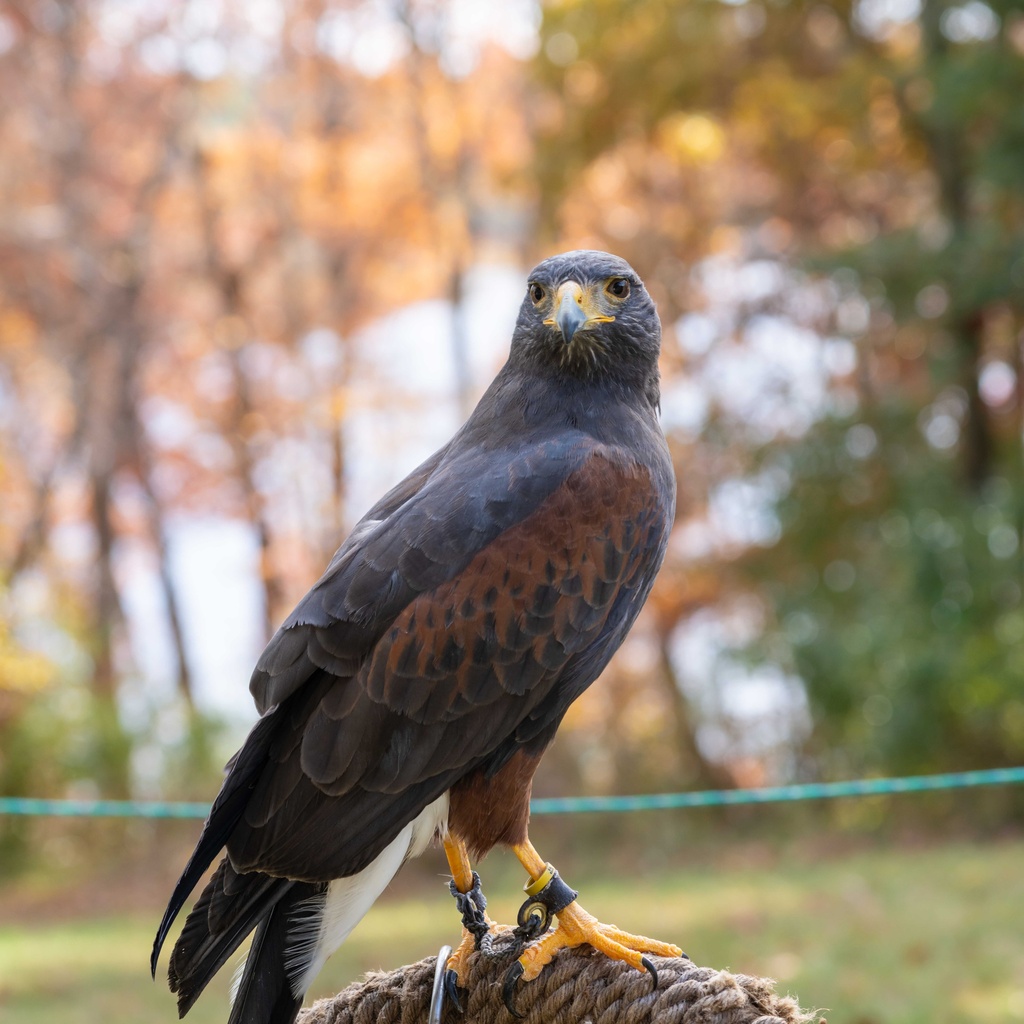
Walter
Walter was hatched at raptor propagation facility and joined our flock to enhance our raptor flight education programs. Walter has become a Kinnick Stadium regular and would fly at many of the home football games to raise awareness of the need for raptor conservation.
Born: 2021
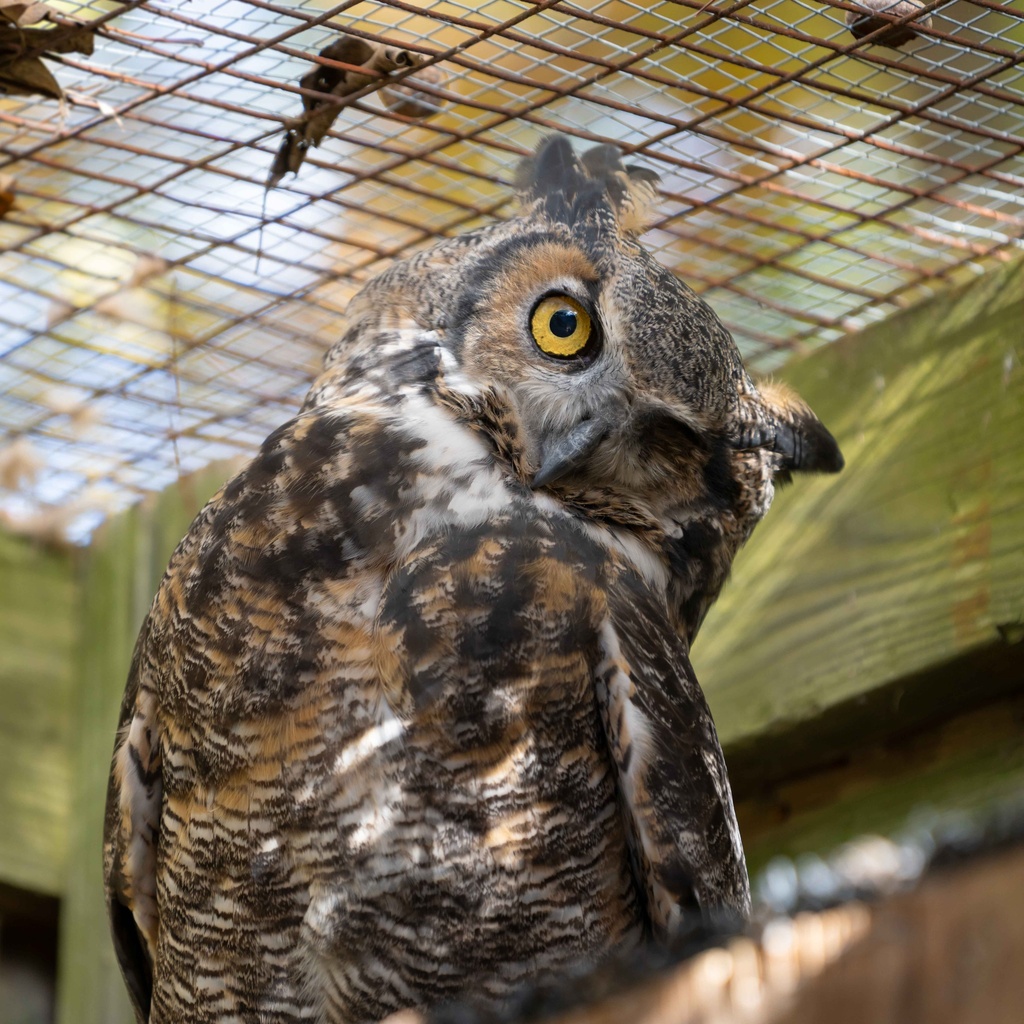
Wannago
Wannago arrived to IRP in 1992 after a tough start to her life. She was found as a baby and illegally kept as a pet. While she was learning to fly in the home, she hit a ceiling fan and lost her left eye as a result. She was also not fed a proper diet for young raptors and was starving when she arrived to the rehabilitation clinic. Wannago could not be returned to the wild because she became a human imprinted bird.
Born: 1991
Great Horned Owls
Facts about Great Horned Owls
Great-horned Owls are one of Iowa's earliest nesters starting as early as January! Great Horned Owls are dedicated parents, and will fiercely defend their nests, raising their young until they're ready to fend for themselves. The owl chicks tend to jump out of the nests at a relatively young age, unable to fly. If you see an owl chick on the ground, please leave it there as the parents are usually tending and feeding it. This is just the natural process that owls go through to raise their young and interfering with it can often result in many owl chicks entering wildlife rehabilitation centers every year and becoming imprinted on humans.
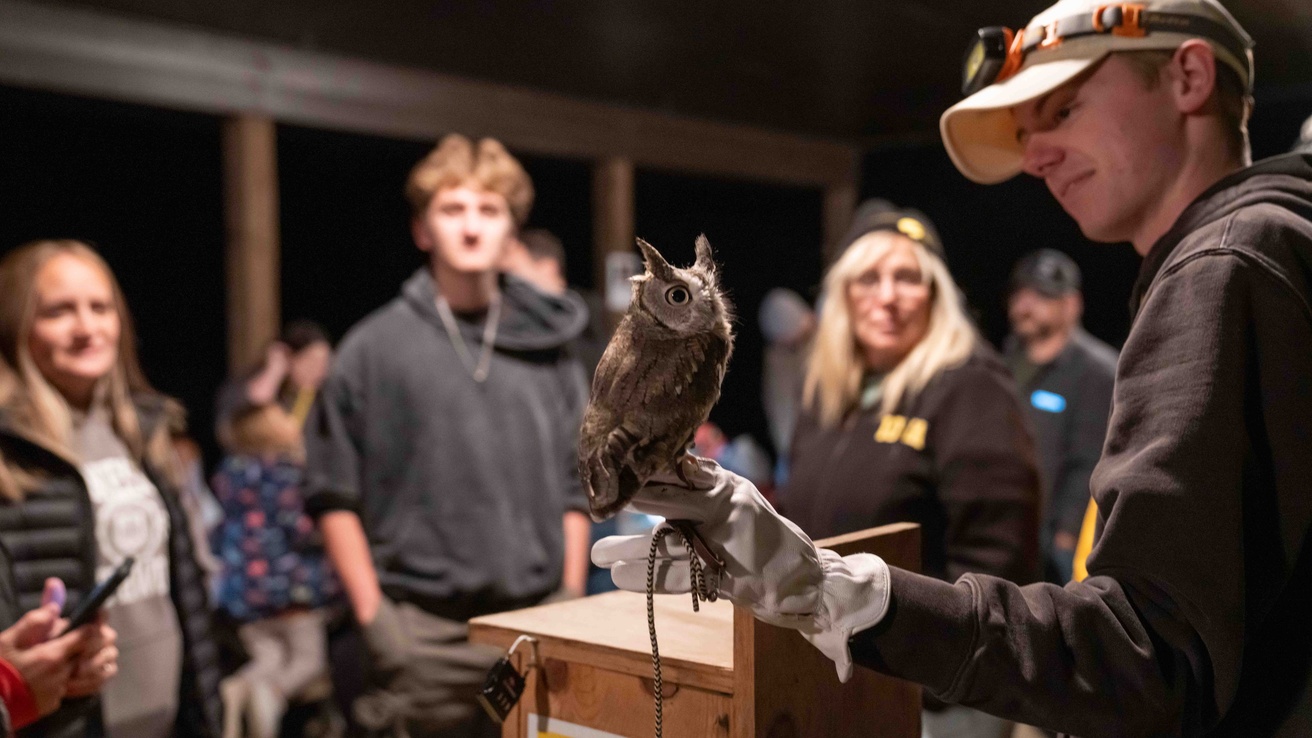
See the Raptors
Connect with us at our location or at Iowa Raptor Project events throughout the year. More information is available on our homepage.